楔形文字の解読
◈解読に貢献した人物
高等学校の教師。古代ペルシア楔形文字解読の最初の突破口。
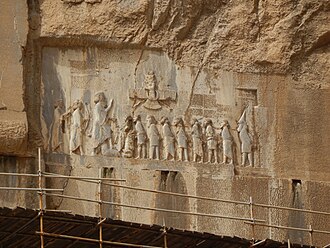
命懸けでベヒストゥン碑文を拓本し、アッカド語楔形文字の解読を完成。
◈どのように解読されたか
Grotefend found a repeating formula "X, great king, son of Y" through pattern analysis. By matching known Persian king names (Darius, Xerxes) against the signs, he assigned phonetic values. The Behistun inscription was a Rosetta Stone in three languages — Old Persian, Elamite, and Akkadian. Persian decipherment results were applied to Akkadian in a chain reaction.
◈実際に解読された文字
𒀭𒂗𒍪 𒈗𒆳𒆳 = d.EN.KI LUGAL.KUR.KUR =「エア、すべての国の王」— シュメール神話で知恵と水の神エンキを指す。
◈解読の前後の物語
Around 75 BC the last cuneiform tablet was written. For 2,000 years, Mesopotamian clay tablets were complete mysteries. Some Europeans thought the signs were architectural decoration, not writing.
In 1802 Grotefend found the royal titulary formula on a bet. In 1857 Rawlinson completed Akkadian decipherment from the Behistun inscription.
The Code of Hammurabi, Epic of Gilgamesh, and the Biblical flood prototype all became readable. Grotefend was rejected by the academy for being an amateur.