🚧日本語ページは現在準備中です。一部コンテンツは韓国語または英語で表示されます。
All Cases
DecipheredDiscovered 1907 · deciphered from 1931 onward

Decipherment of Sogdian — The Ancient Letters of Dunhuang

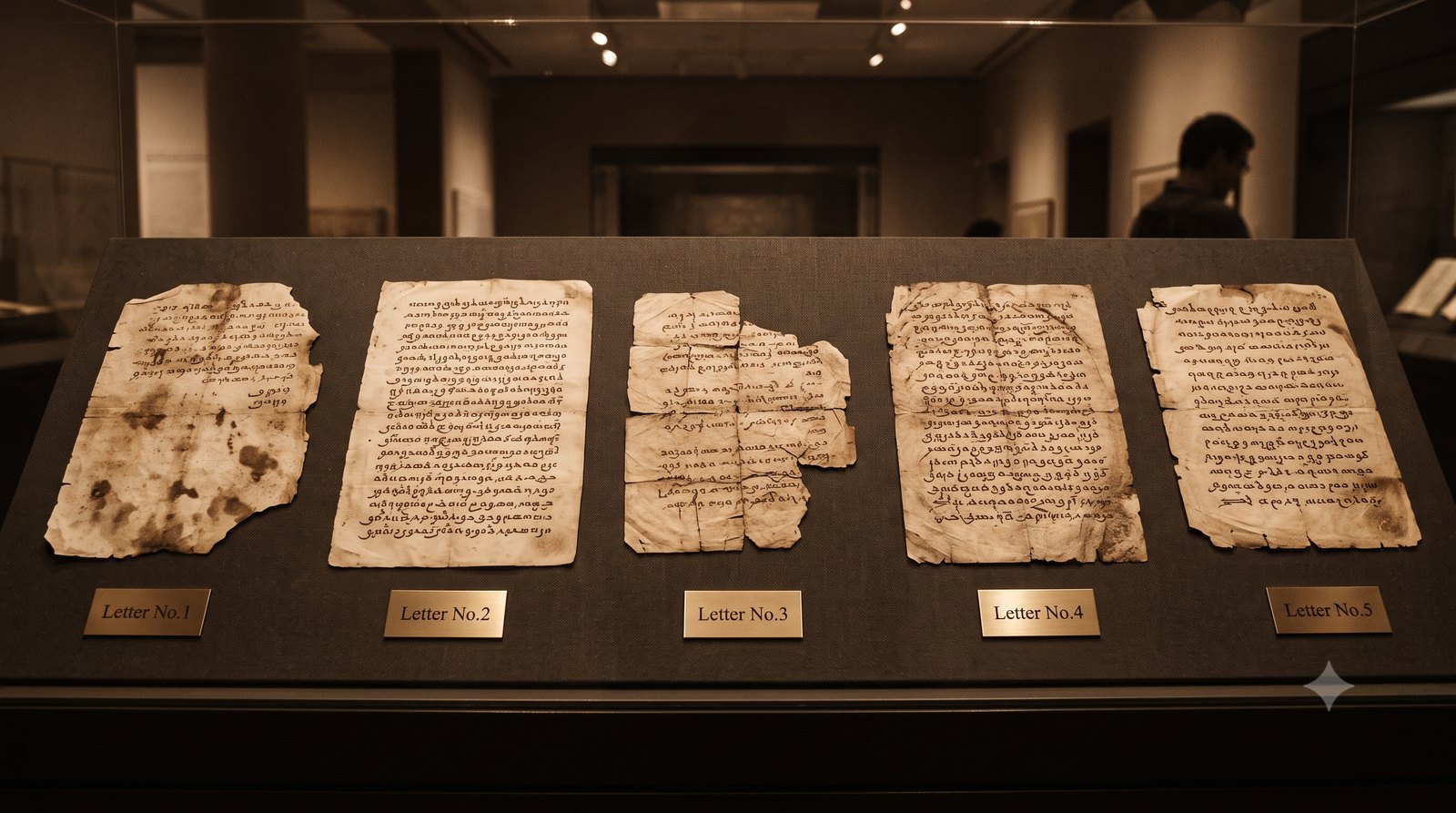
Key Object:The Sogdian Ancient Letters — five letters

Key Scholars

Wang Yuanlu (Daoist priest)
1849–1931

A Daoist priest cleaning the Mogao Caves. In 1900 he broke through a sealed wall in Cave 17 (the "Library Cave"), uncovering tens of thousands of manuscripts that had been sealed for nearly a millennium. He did not at first realize their value.

Aurel Stein
1862–1943

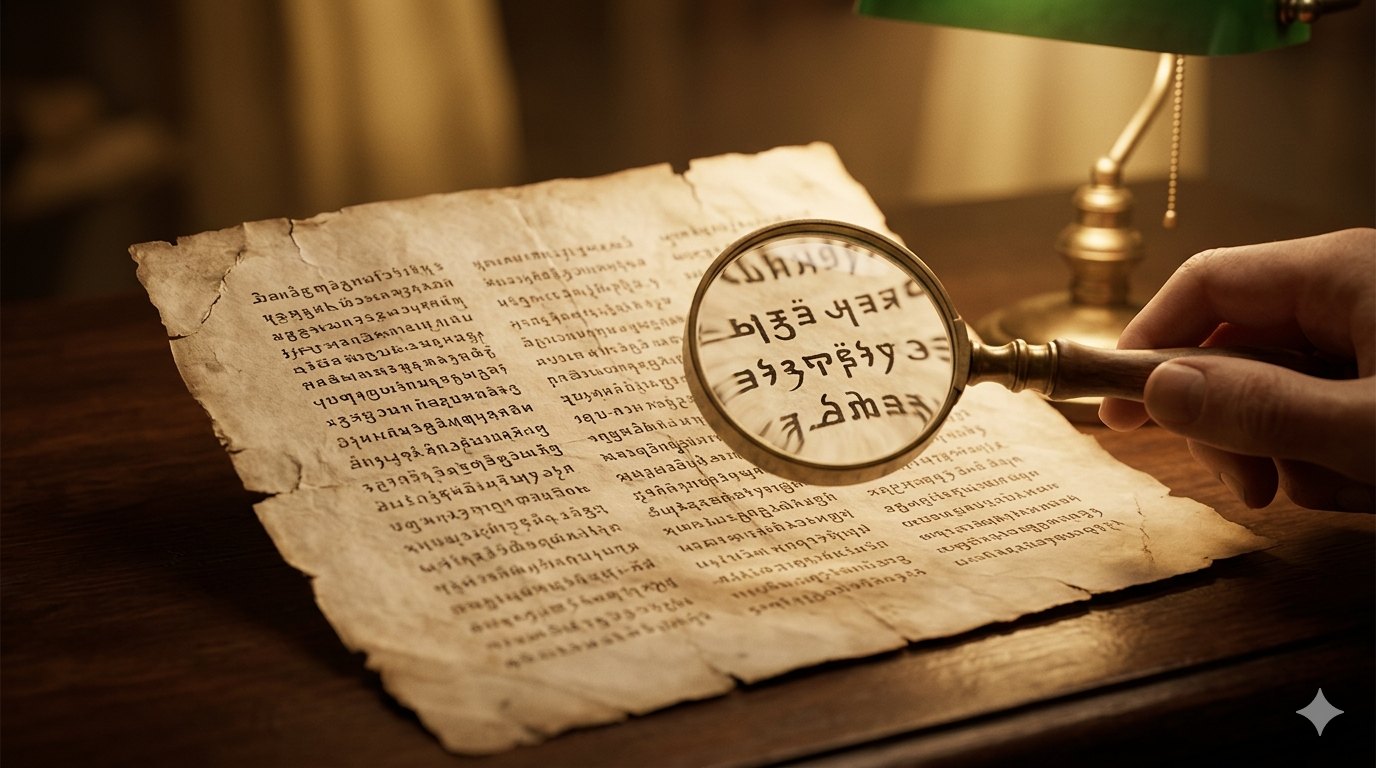
Discovered the five letters in a ruined watchtower west of Dunhuang in 1907. That same year he removed ~7,000 scrolls from Mogao Cave 17 to Britain — one bundle of which contained a script no one had ever seen.

Paul Pelliot
1878–1945

French sinologist. Arrived at Dunhuang in 1908; fluent in Classical Chinese, he selected the scholarly most valuable scrolls and brought them to the Bibliothèque nationale de France. One of the Sogdian Ancient Letters is held in Paris today, the other four in London.

Hans Reichelt
1877–1939

Published the first edition and translation of the Ancient Letters in 1931.

W. B. Henning
1908–1967

Dated the letters to 313–314 AD from their reference to the fall of Luoyang.

Nicholas Sims-Williams
1949–

Produced the modern standard editions and established Sogdian grammar and lexicon.

How Was It Deciphered?

Sogdian is a consonant-based abjad derived from Aramaic. Scholars cross-referenced (1) the letterforms and order of Aramaic, (2) the vocabulary of related Middle Iranian languages such as Middle Persian and Parthian, and (3) historical events named inside the letters, to recover both sound values and dating.

Decoded Characters

𐼰
ʾ / a
Aleph (Aramaic ʾālep) → glottal / vowel a
𐼱
b / β
Beth → consonant b/β
𐼲
g / γ
Gimel → consonant g/γ
𐼳
w / u
Waw → consonant w / vowel u
𐼶
y / i
Yodh → consonant y / vowel i
𐼷
k
Kaph → consonant k
𐼹
m
Mem → consonant m
𐼺
n
Nun → consonant n
𐼿
r
Resh → consonant r
𐽀
š
Shin → consonant š

Full Original Translation

The Sogdian Ancient Letters (summary)

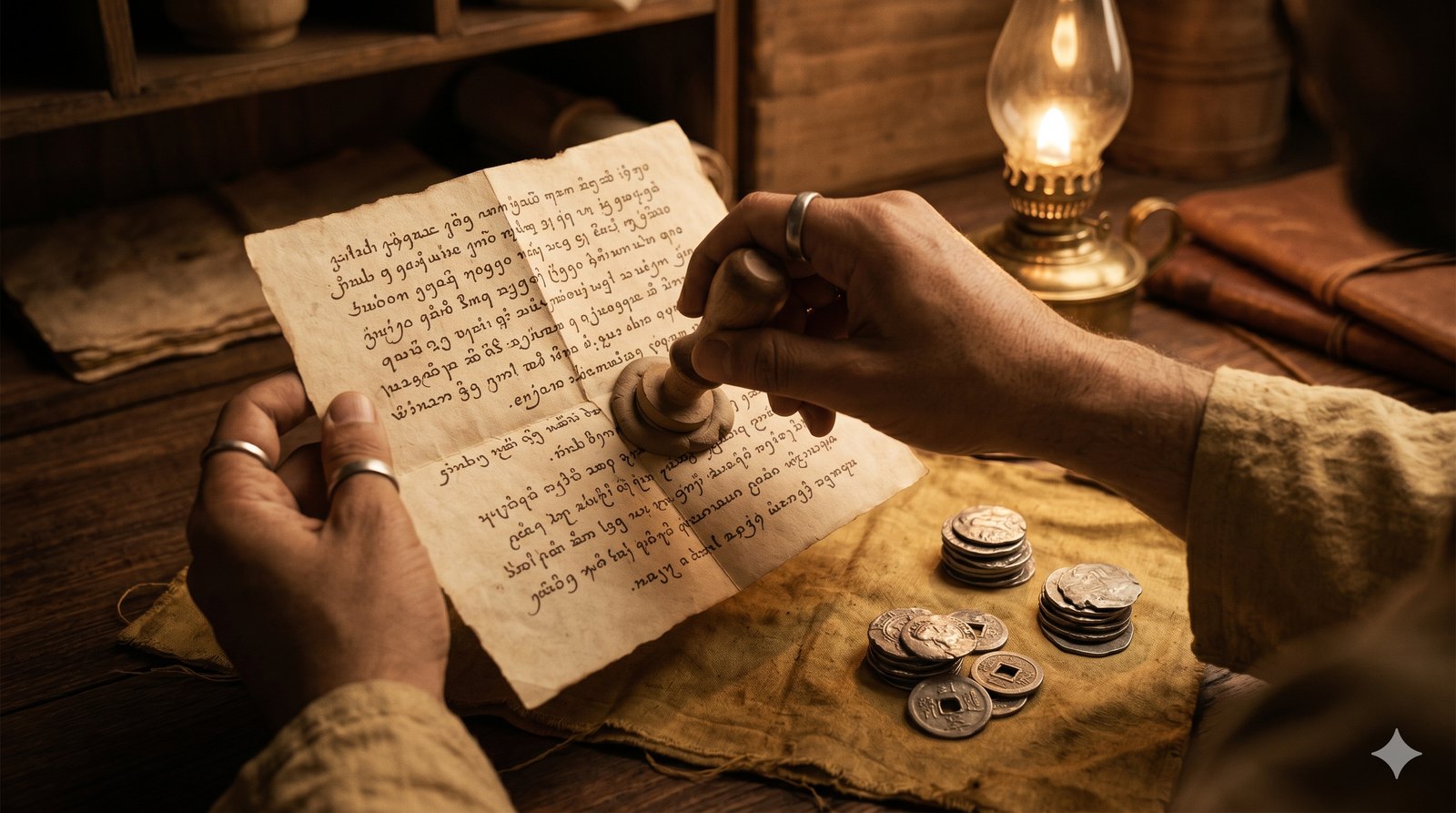
Letters 1 & 3 — A woman (Miwnay (미흐나이)) writes to her mother in Samarkand, stranded in Dunhuang with no way home.

Letter 2 — The merchant Nanai-vandak reports home: "Luoyang is no more" — the city had fallen to raiders.

Letter 5 — A request to settle business debts, with news of family.

The Full Story

Before

Sogdian had been forgotten for some 1,500 years. Once the lingua franca of Silk Road trade, it became unreadable after the Sogdians vanished from history.

💡The Breakthrough

In 1907 Aurel Stein found five sealed letters in a ruined watchtower west of Dunhuang. Since Sogdian was known to be an Aramaic-derived consonantal script (abjad), scholars reconstructed its sound values using related Middle Iranian languages (Middle Persian, Parthian). Henning pinned their date to 313–314 AD from their mention of the fall of Luoyang.

🌍After

The letters gave a vivid record of 4th-century Silk Road trade and ordinary lives — a daughter writing to her mother in Samarkand, a merchant reporting that Luoyang had fallen, a demand to settle a debt. They confirmed Sogdian as the starting point of Eurasia's longest script lineage: Sogdian → Uyghur → Mongolian → Manchu.

View Script Details
Sogdian — The Ancient Letters of Dunhuang
Script Details →
世界文字情報ポータル — World Scripts Portal

人類の多様な文字遺産を記録し保存する

𒀭𓂀𐤀Α
© 2025 아키랩스 · 세계문자정보포털